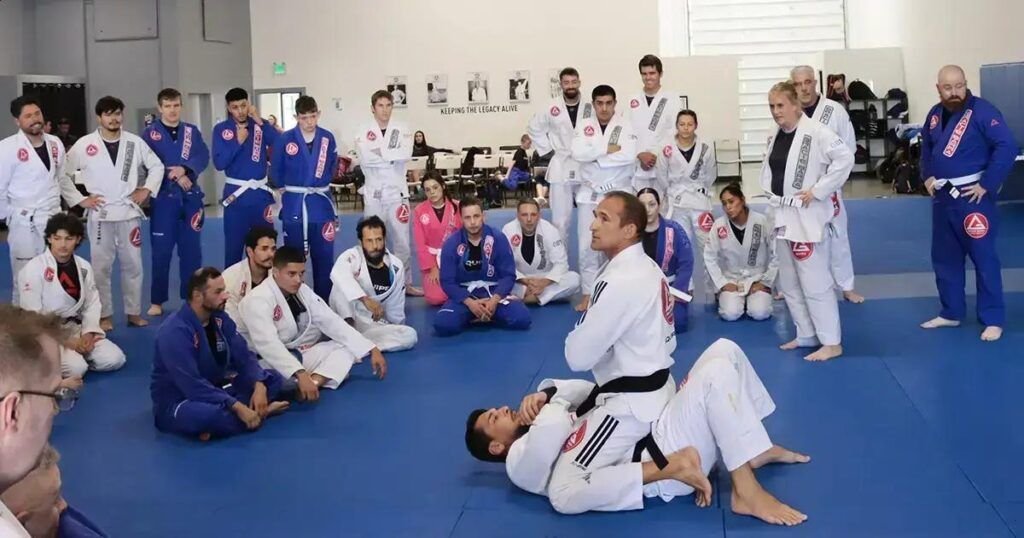
Ever wonder how often you should step onto the mat to see real progress in Jiu-Jitsu? Hi, I am Head Prof. Seidler Rodrigo from Gracie Barra Herriman, and I’ve witnessed firsthand how training frequency can make all the difference in your development. Jiu-Jitsu is more than technique; it’s about building confidence, discipline, and resilience. Finding the right balance between practice and rest can transform your journey and help you make steady, meaningful improvements in this gentle art.
Understanding Your Personal Goals in Jiu-Jitsu
At Gracie Barra Herriman, one of the first things I encourage students to do is think about why they started training Jiu-Jitsu. Understanding your personal goals is more than just setting a target; it defines your journey on and off the mat. What you want to achieve will shape how often you train, what techniques you focus on, and how you approach each class.
Why Your Goals Matter
One of the biggest breakthroughs for our students is when they realize that Jiu-Jitsu isn’t one-size-fits-all. Some come seeking fitness and health, others want to build confidence or learn self-defense, and some are driven by competition and mastery. Knowing what matters most to you helps to keep your motivation alive, especially on days when training feels tough.
Setting Realistic and Personal Goals
What I see on the mat every day is different progress because each person’s goals are unique. It’s incredible to watch a student who came in nervous and unsure set a simple goal like attending two classes a week and slowly build from there. The great thing is you don’t need to rush. Jiu-Jitsu rewards patience and persistence.
Your goals can also evolve; perhaps you start wanting to just make friends and later discover a passion for competition. Each step is valuable and helps you grow not only as a practitioner but as a person. This journey teaches discipline and resilience that go beyond the academy walls.
How Goal Clarity Enhances Training Frequency
When you understand your why, deciding how many days a week to train becomes clearer. If your goal is stress relief and fun, two to three sessions might be perfect. For those wanting faster technical improvement or preparing for competition, more consistent attendance is needed. What happens next is your progress aligns with your purpose, making your training feel meaningful.
Remember, at Gracie Barra Herriman, we support you in defining and refining your goals because that connection keeps you engaged and growing. As I often say, “Jiu-Jitsu is a path tailored by your own steps; knowing where you want to go is the first step toward getting there.”
Balancing Training Frequency and Recovery
At Gracie Barra Herriman, we understand that training Jiu-Jitsu is a commitment not only to technique but also to your body and mind. Balancing how often you train with adequate recovery is essential to avoid burnout and keep making progress. What I see on the mat every day is that students who listen to their bodies and respect rest days develop a deeper connection to their practice and sustain longer-lasting improvement.
Why Recovery is as Important as Training
One of the biggest breakthroughs for our students is realizing that pushing too hard without rest can lead to fatigue or injury, which slows progress more than taking time off does. Recovery allows your muscles to rebuild, your mind to reset, and your motivation to recharge. Think of it like sharpening a knife; if you keep cutting without pause, it gets dull, but with regular sharpening, it stays effective and strong.
Signs You Need to Rest
- Persistent soreness that does not improve with time
- Feeling mentally drained or unmotivated
- Decline in performance during training sessions
- Difficulty sleeping or increased irritability
When you notice these signs, it is your body’s way of saying it needs a break. What happens next at Gracie Barra Herriman is that we encourage you to adjust your schedule, focusing on quality over quantity. Training smart means balancing effort and rest to build resilience, just like learning to escape a tough position on the mat requires patience and timing.
Creating Your Personalized Balance
The great thing is that your ideal balance depends on your goals, age, and lifestyle. Beginners might benefit from two to three classes a week with rest in between. More advanced students or competitors usually train more frequently but pay close attention to recovery methods such as stretching, hydration, and proper sleep.
Remember, long-term progress in Jiu-Jitsu comes from consistency and sustainability. This is why at Gracie Barra Herriman, we emphasize that rest is not a setback but an essential part of your journey. As I often tell my students, “Training hard is important, but training smart and resting well allows your skills and confidence to grow without limits.”
Signs You Should Train More or Less
At Gracie Barra Herriman, recognizing when to train more or less is a skill as essential as any technique on the mat. What I see on the mat every day are students learning to listen to their bodies and minds, understanding that balance leads to sustainable growth. Training too much can lead to burnout, while training too little might slow your progress. The key is discovering that personalized rhythm that honors both effort and recovery.
How to Know When to Train More
One of the biggest breakthroughs for our students is the moment they realize that increasing training frequency is not about pushing harder, but about deepening their connection to the art. You will notice that when you feel energized, excited to learn, and are consistently improving your technique, your body is signaling readiness for more time on the mat. Just like in life, when you seize opportunities with enthusiasm, growth accelerates naturally.
When It’s Time to Take a Step Back
It’s equally important to recognize signs telling you to ease off. Persistent fatigue, a decline in focus, or even small niggling injuries are signals from your body asking for rest. What happens next at Gracie Barra Herriman is supporting each student to adjust their schedule wisely. Taking time to recover is not quitting; it’s preparing to come back stronger. Think of it as recharging your confidence and discipline, much like stepping away briefly from a challenge at work to return with clearer insight.
Finding Your Balance for Lasting Progress
The great thing is you do not have to figure this out alone. Our community at Gracie Barra Herriman is here to guide you, helping tailor your training frequency to your unique journey. Remember, learning to listen to your body is part of the discipline that Jiu-Jitsu teaches. As I often say, “Jiu-Jitsu is not just about fighting; it’s about mastering yourself, knowing when to advance and when to rest, so you grow stronger every day.”
How Consistency Impacts Your Jiu-Jitsu Journey
At Gracie Barra Herriman, what I see on the mat every day is that consistency is the foundation of real progress in Jiu-Jitsu. It’s not about mastering a move overnight but about showing up again and again, even when motivation dips or life gets busy. This steady commitment builds more than technique; it cultivates discipline and confidence that ripple into every part of life.
The Power of Small Steps
One of the biggest breakthroughs for our students is realizing that each training session, no matter how small, adds up over time. Just like learning to read or play an instrument, regular practice creates muscle memory and deep understanding. You will notice that skipping classes occasionally is normal, but what happens next is key: returning to the mat with the same dedication keeps your momentum alive.
Consistency Builds Resilience
Training Jiu-Jitsu regularly teaches patience and mental toughness. When you face challenges on the mat, such as being stuck in a tough position or making mistakes, the habit of consistent practice helps you stay calm and keep trying. It’s like life’s problems; facing them repeatedly with a clear mind leads to better solutions and stronger character. At Gracie Barra Herriman, this mindset is just as important as learning any technique.
Creating a Supportive Routine
The great thing is you don’t have to do it alone. Our community supports you on this journey, encouraging regular attendance and celebrating progress. You might start with two classes a week and gradually find a rhythm that fits your life. Remember, Jiu-Jitsu is a lifelong path, and consistency ensures you stay on it, growing physically and personally.
As I often tell my students, “Consistency is the quiet hero behind every black belt. Showing up patiently, learning humbly, and pushing a little further each time builds not just skill but the confidence that changes your life.”
Integrating Jiu-Jitsu with Your Lifestyle
At Gracie Barra Herriman, what I see on the mat every day is how integrating Jiu-Jitsu into your lifestyle transforms more than just your physical health; it reshapes your mindset and daily habits. Jiu-Jitsu is a journey that adapts to you, fitting within your personal and professional life while offering countless benefits like improved confidence, discipline, and well-being.
Finding Jiu-Jitsu’s Place in Your Life
One of the biggest breakthroughs for our students is when they realize Jiu-Jitsu isn’t an extra task but a source of balance. You will notice that regular training helps reduce stress, boosts energy, and enhances focus at work and home. It feels like plugging into a positive routine that supports your overall health and happiness.
Adapting Training to Your Needs
What happens next is figuring out how often and when to train so it feels natural, not forced. Whether you choose two, three, or more classes a week, the great thing is that Jiu-Jitsu grows with you. It’s like planting a seed and nurturing it according to your pace. At Gracie Barra Herriman, we support you in creating a plan that aligns training with your daily commitments, so it becomes a joyful part of your life.
Jiu-Jitsu and the Community Connection
Being part of the Gracie Barra family adds an important social element. The friendships and encouragement found during classes make training something to look forward to. This community nurtures not only your skills but also your sense of belonging and safety, key pillars to a balanced lifestyle.
As I often say, “Jiu-Jitsu is not just a sport; it’s a way to build a strong body, a calm mind, and a supportive community. When integrated into your life, it changes how you face every challenge.”
Training Jiu-Jitsu is more than just learning moves; it’s about building confidence, discipline, and a strong community that supports you every step of the way. Finding the right balance in your training schedule, understanding your personal goals, and staying consistent are keys to making steady progress not only in the art but in life. At Gracie Barra Herriman, we believe that Jiu-Jitsu can help you grow physically, mentally, and emotionally, transforming challenges into opportunities.
If you have been thinking about starting, come visit us at Gracie Barra Herriman for a free class. I would be glad to welcome you on the mat and show you what Jiu-Jitsu can do for your life.
FAQ – Common Questions About Training Frequency in Jiu-Jitsu
How many days a week should a beginner train Jiu-Jitsu?
We always tell our new students that starting with two to three classes a week is ideal. It gives your body time to learn and recover, helping you build confidence and discipline steadily.
Can I train Jiu-Jitsu if I have a busy schedule?
You might be surprised to learn that Jiu-Jitsu can be adapted to fit your lifestyle. At Gracie Barra Herriman, we help you create a training plan that works with your commitments, so you can still make great progress.
What happens if I train too much without resting?
Training hard is important but without proper rest, you risk burnout or injury. We emphasize balancing training and recovery to keep you improving consistently for the long term.
How do I know if I should train more or less?
Pay attention to your energy, motivation, and how your body feels. Feeling excited and improving means you can train more. If you notice fatigue or lack focus, it might be time to take a short break. Come try a free class and we’ll help you find the right balance.
Is training consistently really important?
Absolutely. One of the biggest breakthroughs for our students is understanding that steady, regular training builds resilience and skill over time. Consistency is the quiet hero behind lasting success in Jiu-Jitsu.
How will Jiu-Jitsu fit into my lifestyle?
Jiu-Jitsu is more than a sport; it becomes part of your life, helping improve your health, confidence, and community connections. At Gracie Barra Herriman, we support you in making your training enjoyable and a positive part of your daily routine. Join us for a free trial class to experience this yourself.