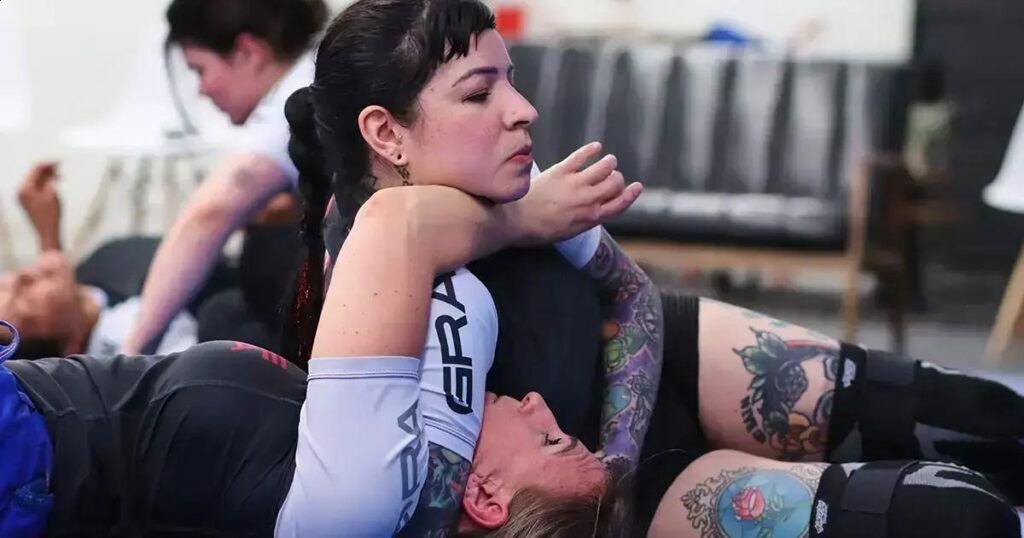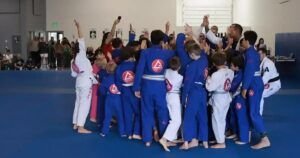
Have you ever stepped back on the mat after a break and wondered how to avoid getting hurt while getting back into Jiu-Jitsu? Hi, I am Head Prof. Seidler Rodrigo from Gracie Barra Herriman, and I have seen many students worry about injury when restarting their journey. The truth is, Jiu-Jitsu is for everyone, and restarting safely is both possible and rewarding. What I always tell my students is to listen to their bodies and ease back into training with patience. The mat is a place for growth, both physically and mentally, and your return is part of your legacy in the gentle art.
Understanding Your Body’s Signals After Time Off
At Gracie Barra Herriman, understanding your body after taking time off is one of the most important steps to restarting Jiu-Jitsu safely. What I see every day is that students often want to rush back, pushing too hard before their bodies are ready. But Jiu-Jitsu teaches us patience and listening to ourselves, which are key not only on the mat but in life.
Recognizing Physical Limits
After a break, your muscles, tendons, and joints may feel different. You might notice stiffness or unexpected fatigue. These signals are your body’s way of saying it needs time to rebuild strength and flexibility. Respecting these limits prevents injuries and helps you progress more steadily.
Emotional and Mental Signals Matter Too
It’s normal to feel frustration or doubt when your body doesn’t respond like before. What happens next matters: instead of giving up, use these feelings to build mental resilience. The mat is not just about physical skill; it’s where we learn to remain calm and focused under pressure. This mental growth carries over to everyday challenges.
Practical Tips for Listening to Your Body
- Warm up thoroughly to prepare your body and mind.
- Start with light drills and slowly increase intensity.
- Take breaks when needed without guilt.
- Communicate openly with your instructor about any discomfort or concerns.
One of the biggest breakthroughs for our students at Gracie Barra Herriman is when they realize that slowing down at first is actually the fastest road back. As I always say, “Respecting your body’s signals is respecting the journey itself”. This mindset makes your return to Jiu-Jitsu not just safer but more rewarding and sustainable.
Setting Realistic Goals for Your Jiu-Jitsu Comeback
At Gracie Barra Herriman, one of the first lessons I share with students returning after a break is about setting realistic goals. What I see on the mat every day is that trying to do too much too fast often leads to frustration or injury. Instead, defining clear, achievable steps helps your mind and body rebuild confidence steadily.
Why Goals Matter Beyond the Mat
Setting goals is not just about improving your technique or earning a new belt; it’s about creating a roadmap that supports your growth in many areas of life. When you commit to small milestones, the journey becomes manageable, and each success builds your resilience and patience both on and off the mat.
Practical Goal-Setting Strategies
- Start Small: Focus first on regaining comfort with basic movements and breathing. This helps rebuild your physical foundation gently.
- Use Timeframes: Set weekly or monthly targets, such as attending a certain number of classes or mastering a fundamental technique.
- Celebrate Progress: Every improvement, no matter how small, is a step forward. Recognize these moments to keep motivation alive.
- Adjust as Needed: Be flexible. If your body or schedule doesn’t cooperate, it’s okay to revise your goals without guilt.
An example I often share at Gracie Barra Herriman is of a student returning after an injury who set the simple goal of completing warm-ups pain-free. That small win boosted their confidence and led to bigger achievements quickly. As I always tell students, “Real progress comes from respecting where you are today while aiming for where you want to be tomorrow”. This philosophy nurtures not just better athletes but stronger, more balanced people.
Essential Warm-Up Techniques to Prevent Injury
At Gracie Barra Herriman, we place great importance on warming up correctly before stepping onto the mat. What I see every day is that a proper warm-up not only prepares your body but also sets a mindful tone for the training ahead. It’s one of the best ways to prevent injury and maximize the benefits of your practice.
The Why Behind Warming Up
Warming up is like preparing your body’s engine for a journey. It increases blood flow, lubricates joints, and awakens your muscles so that they work efficiently. Skipping this step can lead to strains or soreness that might keep you off the mat longer than planned. The great thing is, this preparation time also helps clear your mind and focus your energy.
Practical Warm-Up Techniques
- Dynamic Movements: Gentle, controlled motions such as arm circles, hip rotations, and leg swings help increase mobility and mimic movements you’ll use during training.
- Light Rolled Drills: Moving through basic techniques slowly warms up the specific muscles and frames your mind for learning.
- Breathing Exercises: Focusing on your breath calms nerves and improves oxygen flow, which aids endurance and clarity.
- Stretching: Targeting major muscle groups with gentle stretches improves flexibility and reduces tightness.
One of the biggest breakthroughs for our students at Gracie Barra Herriman is when they realize how a few minutes of warm-up can make training feel easier and more enjoyable. I always tell them, “Taking care in preparation is the first step to mastering the art without setbacks”. This attitude not only protects your body but builds discipline that carries beyond Jiu-Jitsu.
Navigating Mental Blocks When Returning to the Mat
At Gracie Barra Herriman, I often see students face mental blocks when they return to Jiu-Jitsu after some time away. These blocks might show up as self-doubt, fear of injury, or frustration with their current skill level. What I tell them is that these feelings are natural and part of the growth process. Jiu-Jitsu is as much about mental strength as physical ability.
Understanding Mental Blocks
Mental blocks can feel like an invisible opponent on the mat. You might hesitate to try techniques or feel overwhelmed by comparing yourself to others. What happens next is crucial: instead of letting fear take over, view these moments as opportunities to practice patience and self-compassion.
Techniques for Overcoming Mental Barriers
- Set Small, Manageable Goals: Focus on one technique or movement at a time to build confidence gradually.
- Practice Mindfulness: Simple breathing exercises before class can calm your nerves and center your focus.
- Lean on Community: Talk to instructors and training partners at Gracie Barra Herriman for support; you are never alone on this journey.
- Celebrate Every Victory: Recognize and appreciate small progress to keep motivation alive.
One of the biggest breakthroughs I witness is when a student learns that struggling mentally is not a setback but part of mastering Jiu-Jitsu. As I always remind my students, “Every mental barrier you overcome adds to your strength off the mat just as much as on it”. This mindset builds confidence that shines in every part of life.
Creating a Sustainable Training Routine for Long-Term Success
At Gracie Barra Herriman, I always emphasize that the key to enjoying Jiu-Jitsu for years to come is creating a sustainable training routine. What I see on the mat every day is that students who pace themselves and maintain consistency, rather than rushing or pushing too hard, experience steady growth and fewer injuries. This balanced approach builds lifelong discipline and joy for the art.
Why Sustainability Matters More Than Intensity
Training consistently over time is like planting a garden. You don’t see results overnight, but with patience and care, growth happens naturally. Trying to train intensely every day without rest can lead to burnout or injury, which interrupts progress and dampens motivation. The great thing is, a sustainable routine lets you build strength and skill while still having time for other parts of your life.
Building Your Routine with Practical Steps
- Set a Consistent Schedule: Aim for regular classes each week that fit your lifestyle and energy levels.
- Include Rest and Recovery: Just like muscles need time to heal, your mind benefits from breaks to stay sharp and motivated.
- Prioritize Quality Over Quantity: Focus on being fully present during training rather than trying to do too much at once.
- Listen to Your Body: At Gracie Barra Herriman, we encourage open communication about how you feel so you can adjust your training as needed.
One of the biggest breakthroughs for our students comes when they realize that Jiu-Jitsu is not a sprint but a marathon. As I often tell them, “Success comes from honoring your journey one step at a time, not rushing past the lessons along the way”. This perspective creates a natural balance between discipline, health, and the joy of learning, helping you thrive on and off the mat.
Thank you for taking the time to explore how to safely return to Jiu-Jitsu after a break. Remember, listening to your body, setting realistic goals, warming up properly, overcoming mental blocks, and building a sustainable routine are all key to enjoying this journey without injury. At Gracie Barra Herriman, I’ve seen countless students grow not just in skill but in confidence, patience, and resilience. If you have been thinking about starting, come visit us at Gracie Barra Herriman for a free class. I would be glad to welcome you on the mat and show you what Jiu-Jitsu can do for your life.
FAQ – Returning to Jiu-Jitsu After a Break
How soon can I return to training after a long break?
We always tell our new students that it’s important to listen to your body first. Starting gently and setting realistic goals at Gracie Barra Herriman helps you return safely. Come try a free class and experience the right pace for you.
What should I do if I feel pain while training again?
You might be surprised to learn that pain is a signal to slow down and adjust. Communicating with your instructors at Gracie Barra Herriman ensures your training stays safe and effective. Join us for a free class and let us guide you through the process.
How can I avoid getting injured when I restart Jiu-Jitsu?
Proper warm-up techniques and paying attention to your body’s signals are key. At Gracie Barra Herriman, we emphasize these habits from day one. Come visit us for a free trial to see how we prioritize your safety.
I’m worried about being behind others in skill. How do I handle that?
We always tell our students that Jiu-Jitsu is a personal journey. At Gracie Barra Herriman, the focus is on your progress, not comparison. Overcoming mental blocks is part of the growth, and we welcome you to try a free class with us to feel supported.
How often should I train to make consistent progress after a break?
Building a sustainable training routine is better than rushing. At Gracie Barra Herriman, we help you set a consistent schedule that fits your life and goals. Book a free class to discover the ideal balance for you.
Can beginners join classes if they’re coming back after a long time?
Absolutely. We always remind new and returning students at Gracie Barra Herriman that everyone starts somewhere. Our friendly community and expert instructors make sure you feel comfortable. Come try a free class and see for yourself.